Proper Footwear for Construction Safety: Beyond the Boots
Footwear as a Foundation of Jobsite Safety
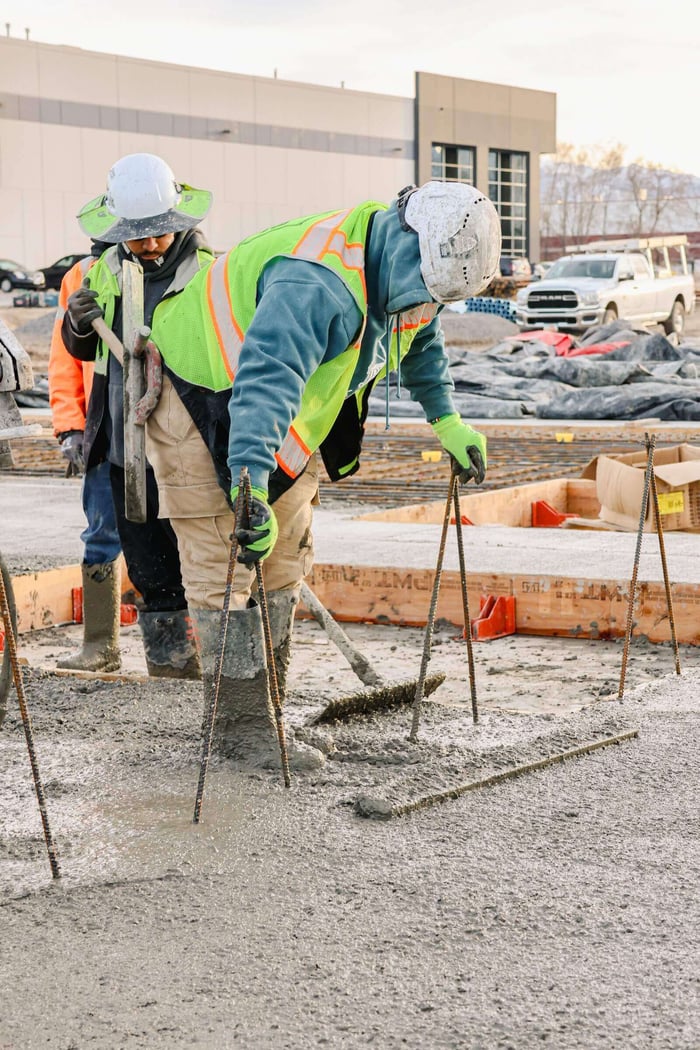
Safety on a construction site starts from the ground up. While hard hats, vests, and eye protection often get the most attention, footwear for construction plays a critical role in protecting workers and supporting long term health. The right boots do far more than meet a dress code. They help prevent injuries, reduce fatigue, and strengthen overall jobsite resilience. In an industry where crews may walk several miles a day across active sites, footwear directly influences both physical endurance and job performance.
Construction environments are unpredictable by nature. Crews navigate uneven terrain, sharp debris, heavy equipment, wet surfaces, and changing weather conditions every day. Without proper footwear, routine movement can quickly turn into slips, punctures, crushed toes, or chronic joint strain. These injuries impact not only the individual but also productivity, schedules, and overall site safety culture. Lost time incidents tied to foot and ankle injuries can delay critical path activities and increase workers’ compensation costs, making footwear a risk management issue as much as a personal safety one.
Standards That Protect Workers and Contractors
Quality footwear for construction should always meet ASTM F2413 compliance, the industry standard safety rating for protective footwear. This standard ensures boots provide adequate protection against impact, compression, and puncture hazards commonly found on jobsites. Selecting compliant footwear also helps meet OSHA foot protection requirements, which emphasize matching PPE to identified risks through a hazard assessment. For contractors, enforcing ASTM-compliant footwear supports regulatory compliance, reduces liability exposure, and demonstrates a proactive safety culture during audits and inspections.
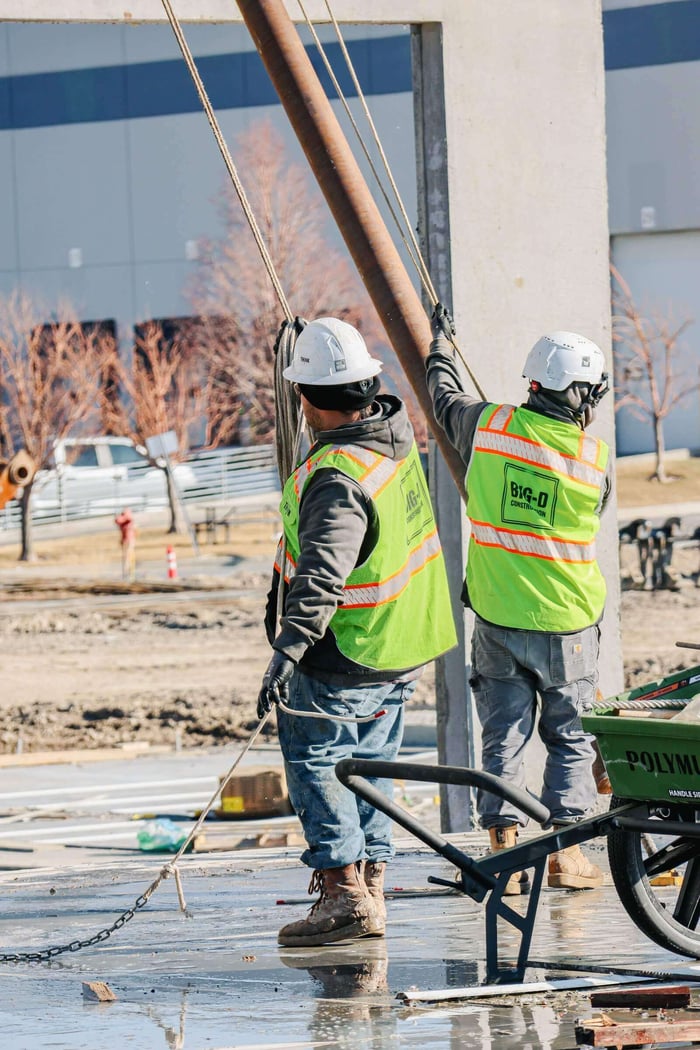
Comfort is not a luxury. It is a safety feature. Ergonomic work boots with anti-fatigue technology reduce strain during long hours spent standing or walking. Slip resistant outsoles improve traction on slick or uneven surfaces, while puncture resistant soles protect against nails and sharp materials. Breathable waterproof lining keeps feet dry without overheating, helping workers stay focused and comfortable throughout the day. When discomfort and fatigue are reduced, workers are less likely to rush, misstep, or compensate with unsafe movements, which lowers the risk of secondary injuries throughout the body.
Making Footwear Part of the Daily Safety Process
Before stepping onto the jobsite, crews should take a moment to confirm their footwear meets the demands of the work ahead. As part of a hazard assessment for footwear, the following checklist can help reinforce safe choices: This practice aligns with daily job hazard analyses commonly used in construction and encourages personal accountability alongside company-wide safety standards.
Boots meet ASTM F2413 compliance
- Appropriate safety toe rating for the task
- Puncture-resistant soles for debris exposure
- Slip-resistant outsoles for wet or uneven surfaces
- Proper fit with adequate ankle support
- Ergonomic design with anti-fatigue technology
- Breathable waterproof lining for all weather conditions
- No visible wear, sole separation, or damage
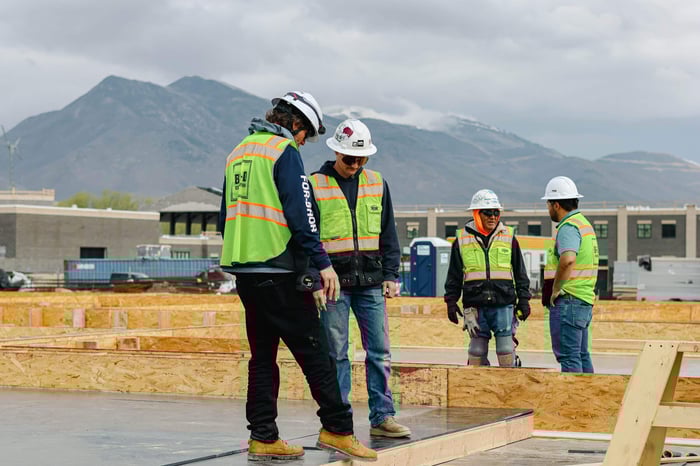
At Big-D Companies, we believe safety is built into every decision, including what we wear on our feet. Choosing the right footwear for construction protects workers from immediate hazards while supporting long-term health and performance. When teams are properly equipped from the ground up, they are better prepared to work confidently, stay productive, and go home safely at the end of every day. In an industry defined by physical demands and ever-changing conditions, the right footwear is not optional. It is foundational to doing the job right.
similar articles
Construction Site First Aid: A Guide to Jobsite Safety
Apr 10, 2026Construction Site First Aid is about far more than checking a compliance box. On a modern jobsite, it reflects how seriously a team values its people, plans
Why Veterans in Construction Excel
Feb 17, 2026The construction industry has always relied on people who can lead under pressure, solve problems in real time, and operate safely in complex
Celebrating Women in Construction Week 2026
Mar 02, 2026Women in Construction Week 2026 is more than a date on the calendar. It is a national moment to recognize the women who are shaping skylines, leading
Women in Construction Week 2026: Caroline Ortman
Mar 03, 2026When Caroline Ortman started college, she did not picture herself on a jobsite. As we recognize Women in Construction Week 2026, her path shows how