Why Veterans in Construction Excel
The construction industry has always relied on people who can lead under pressure, solve problems in real time, and operate safely in complex environments. As the industry continues to face workforce shortages, growing project complexity, and a generational shift in leadership, one group consistently stands out for its ability to meet these demands: veterans in construction.
Veterans often bring a mindset shaped by accountability, discipline, teamwork, and a commitment to the mission. These qualities are not learned casually; they are developed through demanding training and reinforced through daily responsibility. When veterans transition into construction careers, those attributes translate directly to jobsite performance, leadership effectiveness, and long-term workforce strength.
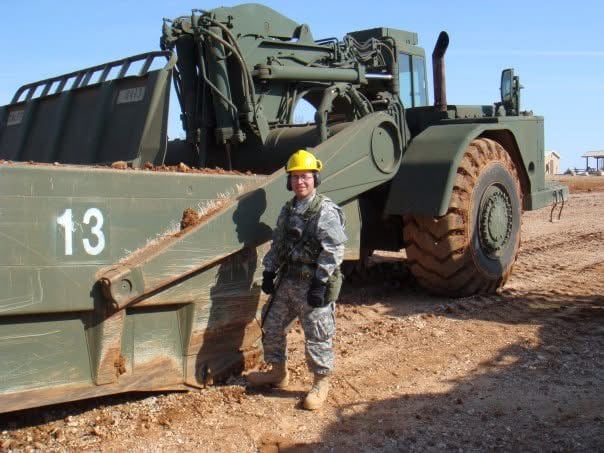
Why Veterans in Construction Are a Strategic Advantage
Construction is inherently mission driven. Projects must be completed safely, on time, and with precision. That environment mirrors many of the pressures veterans operated under during service.
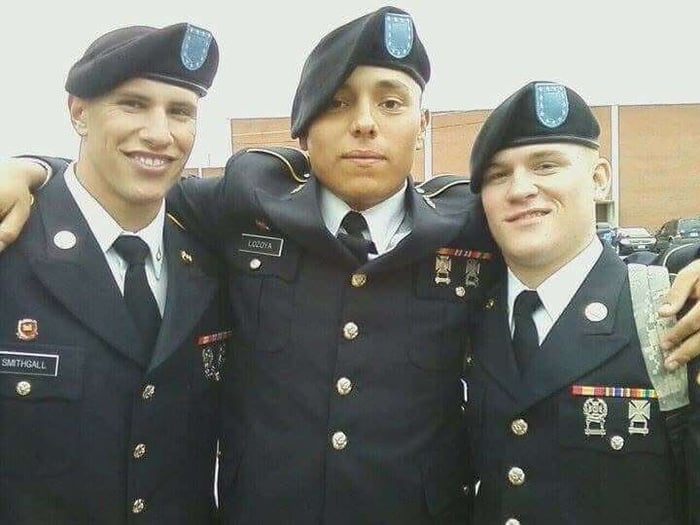
Big-D Construction Superintendent and former Army sapper, Xavier Lozoya, describes it clearly.
“Failure is not an option,” Lozoya said. “In the military, you’re on a mission and nothing else matters but completing it. That same mindset applies to construction. Problems are going to happen. The question is how we fix them and keep moving forward.”
Veterans are trained to move towards, not away from, challenges. This mindset strengthens productivity, communication, and coordination. It’s one reason companies across the country are investing more intentionally in construction careers for veterans and expanding recruitment efforts aimed at bringing military talent into the trades and field leadership roles.
Leadership Shaped by Accountability and Example
Leadership in construction is earned by showing consistency, awareness, humility, and decisiveness. Veterans enter the industry already familiar with these expectations. They know what it means to take responsibility, protect their team, and maintain standards even when stress is high.
“In the military, leadership qualities are usually weeded out very fast,” said Jeff Wheeler, Big-D Construction Superintendent and former Army helicopter mechanic. “You’re trained, you’re evaluated, and you’re expected to lead. That example shapes how you show up on a jobsite.”
This is why veterans often advance quickly in superintendent, foreman, and crew-lead roles. Their leadership is visible in how they communicate, how they prepare, and how they support their teams.
“I was taught to lead from the front, never push from the back,” Lozoya said. “If the crew needs help, I jump in. My paperwork can wait. Showing that you’re willing to work alongside your team builds trust.”
That trust becomes the foundation for strong crews, high morale, and consistent performance.
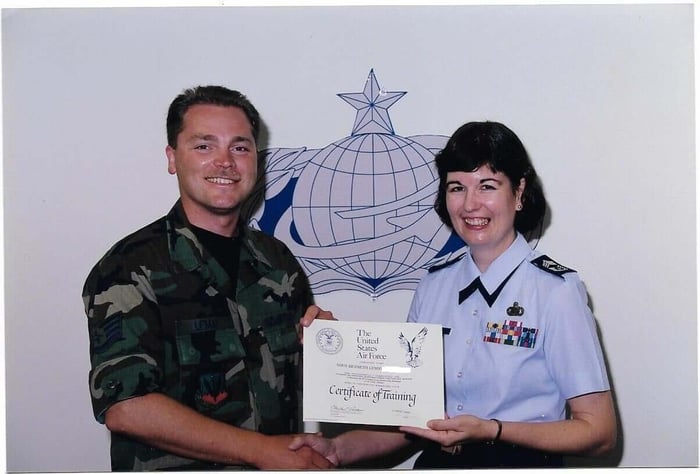
Transferable Skills and Disciplined Execution
Veterans bring a wide range of technical and adaptive skills that support strong execution on jobsites. Many have backgrounds in mechanics, logistics, engineering, equipment operations, and systems work. They understand how to follow structured processes while staying flexible enough to handle unexpected changes.
Wheeler noticed this immediately when transitioning into the industry.
“Working on Chinooks was very mechanical,” Wheeler said. “You had to read technical manuals, understand systems, and follow specs exactly. When I moved into construction, reading blueprints and understanding specifications felt very familiar.”
Beyond technical strengths, veterans also bring disciplined work habits and sharp time management. They understand how small inefficiencies compound, and they respect the importance of planning.
“Seconds equal minutes, and minutes equal hours,” Lozoya said. “If we waste seconds all day, it adds up fast.”
That discipline keeps projects moving, reduces rework, and strengthens coordination between trades.
A Safety Mindset That Builds Stronger Jobsites
Military safety training is thorough, high stakes, and deeply ingrained. Veterans carry that mindset into construction, reinforcing strong habits and improving jobsite awareness.
“It’s easy to say you care. It’s harder to actually care,” Lozoya said. “These guys have families, kids, lives outside the jobsite. Even when I have hard conversations, safety never takes a back seat.”
“If one person on your team isn’t squared away, then nobody is squared away,” Wheeler said. “That all-or-nothing approach transfers really well to construction.”
Veterans understand that safety is a shared responsibility, not something left only to inspectors or safety managers. Their presence naturally elevates expectations, encourages consistent use of PPE, and helps teams recognize hazards earlier.
“Just because you’ve done a task a thousand times doesn’t mean you’ve done it today, on this site, in these conditions,” Lozoya said. “You have to reassess every time.”
This proactive approach strengthens safety culture across projects and supports healthier, more resilient teams.
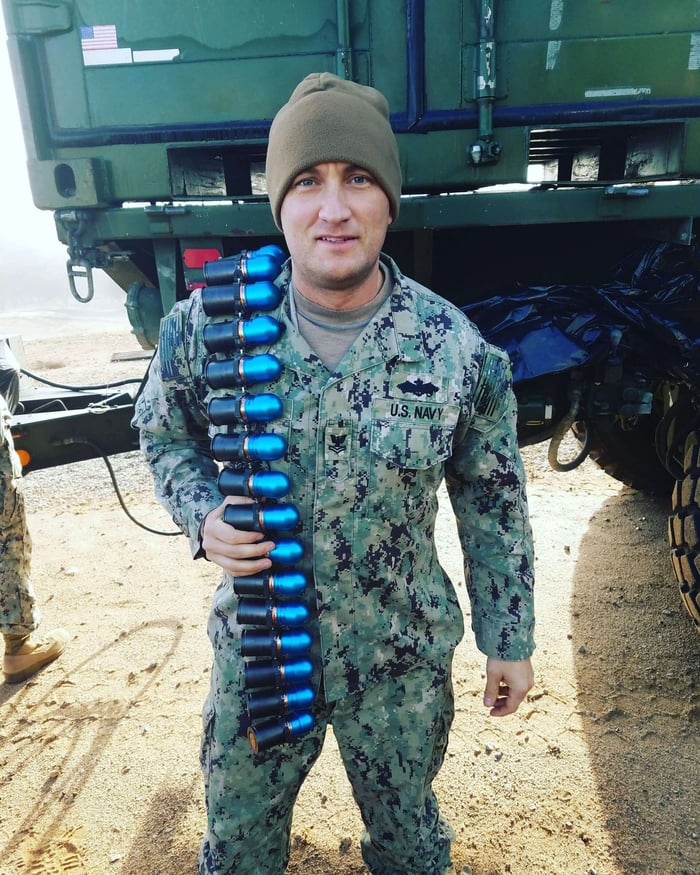
The Broader Industry Impact
The construction industry is at a pivotal moment. Workforce shortages, retiring leaders, and rising project complexity all demand a stronger pipeline of people who can lead, adapt, and perform with integrity.
Veterans meet that need. Their leadership style, structured background, and commitment to the mission create a measurable advantage on every project they touch. The more companies invest in supporting veterans in construction, the more stable, capable, and resilient the industry becomes.
If you are a veteran interested in a career in construction, click here to see our current job openings.
FAQs
How many veterans work in the construction industry?
More than half a million veterans work in the U.S. construction industry, according to recent Bureau of Labor Statistics and VA reporting. Current estimates place the number at over 528,000 veterans employed across construction occupations.
How many service members transition out of the military each year?
Roughly 200,000 service members leave active duty annually and enter civilian life.
How many veterans participate in registered apprenticeships?
The Department of Labor data reports that tens of thousands of veterans are active in registered apprenticeship programs each year. Participation is strongly supported by initiatives like Helmets to Hardhats, which connects veterans directly to skilled trade apprenticeships.The Department of Labor data reports that tens of thousands of veterans are active in registered apprenticeship programs each year. Participation is strongly supported by initiatives like Helmets to Hardhats, which connects veterans directly to skilled trade apprenticeships.
How can companies better support veterans transitioning into construction?
Provide clear structure, mentorship, defined career pathways, and a strong team culture. Veterans succeed best when expectations are communicated and leadership is consistent.Provide clear structure, mentorship, defined career pathways, and a strong team culture. Veterans succeed best when expectations are communicated and leadership is consistent.Provide clear structure, mentorship, defined career pathways, and a strong team culture. Veterans succeed best when expectations are communicated and leadership is consistent.
similar articles
Proper Footwear for Construction Safety: Beyond the Boots
Feb 23, 2026Safety on a construction site starts from the ground up. While hard hats, vests, and eye protection often get the most attention, footwear for construction
Cold-Weather Safety for Construction Workers
Feb 09, 2026As temperatures drop, cold-weather safety for construction workers becomes a front-and-center priority on our jobsites. Winter brings real risks, from
Celebrating Women in Construction Week 2026
Mar 02, 2026Women in Construction Week 2026 is more than a date on the calendar. It is a national moment to recognize the women who are shaping skylines, leading
Women in Construction Week 2026: Caroline Ortman
Mar 03, 2026When Caroline Ortman started college, she did not picture herself on a jobsite. As we recognize Women in Construction Week 2026, her path shows how