Cold-Weather Safety for Construction Workers
As temperatures drop, cold-weather safety for construction workers becomes a front-and-center priority on our jobsites. Winter brings real risks, from icy surfaces to cold stress, that affect worker health, jobsite efficiency and project outcomes. Planning ahead for winter conditions isn’t optional. It’s how we keep our people safe and our projects moving.
Why Cold Weather Safety Matters for Construction
Cold weather doesn’t just make things uncomfortable; it makes them more dangerous. Slips and falls increase. Dexterity drops. Fatigue sets in faster. Judgment can suffer. Add wind and moisture, and the risk of hypothermia and frostbite rises quickly. That’s why winter safety has to be intentional, not reactive.
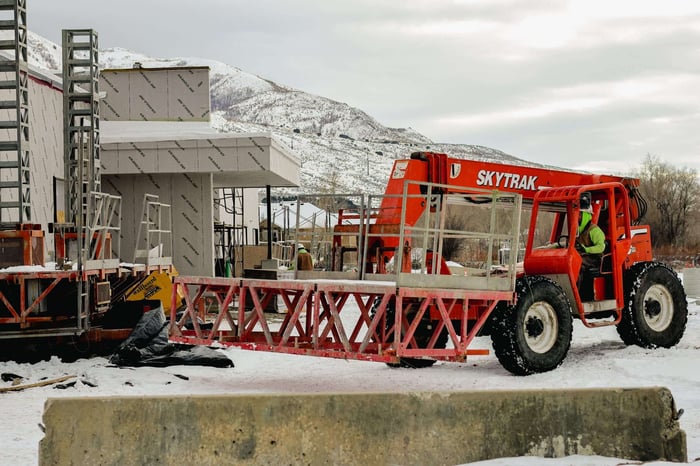
Cold weather also affects materials and equipment performance in cold weather. Frozen ground, brittle materials, and equipment failures can slow progress and compromise quality if winter construction planning is not addressed early. Proactive winter jobsite safety procedures help crews adapt safely while maintaining construction safety best practices.
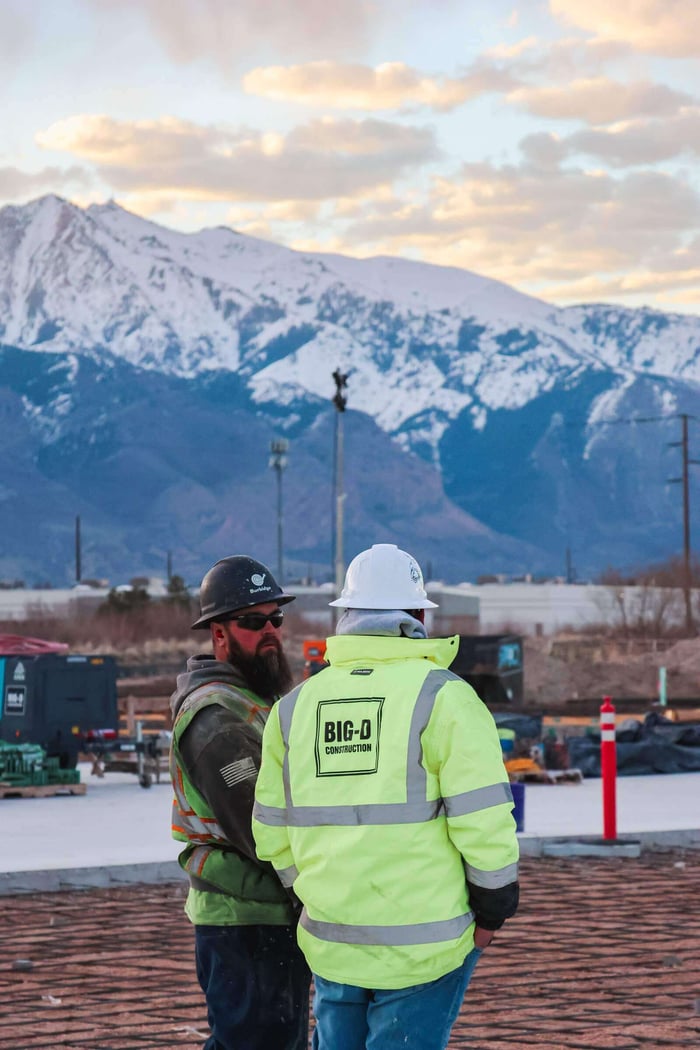
Cold Weather Jobsite Safety Tips for Crews
Good cold-weather jobsite safety tips are simple and practical. Wear insulated workwear for construction workers that allows layering without slowing you down. Use slip-resistant winter footwear and boot chains to reduce the risk of falls on icy ground. Build in warm-up breaks and rotate tasks to support cold stress prevention.
Training matters, too. Winter safety training for crews helps people recognize signs of cold stress and know when to stop work. OSHA cold weather guidelines emphasize monitoring weather conditions, recognizing symptoms early, and adjusting work schedules to reduce exposure. These steps support safety compliance in winter conditions while reinforcing a strong safety culture.
At Big-D Companies, cold-weather safety for construction workers is approached with the same care and planning as any other seasonal hazard. When teams are prepared, supported, and properly equipped, winter conditions become manageable rather than dangerous.

Cold Weather Safety for Construction Workers Is a Long-Term Investment
Cold weather safety for construction workers protects people, reduces downtime, and keeps momentum through the toughest months of the year. It also builds trust because people know their safety isn’t negotiable.
Staying warm on a jobsite helps with clarity, focus, and preventing cold-related injuries before they happen. Strong winter construction planning keeps crews sharp and projects steady.
FAQs
What are the most common jobsite cold weather hazards in winter construction safety?
Icy surfaces, wind chill, reduced visibility, frozen equipment, and decreased hand dexterity are among the most common winter construction safety risks.
How can construction worker winter safety reduce hypothermia and frostbite risks?
Wearing insulated workwear, staying dry, taking warm-up breaks, and monitoring the signs of cold stress are key to preventing cold-related injuries.
What are the signs of cold stress construction workers should watch for?
Early signs of cold stress include shivering, numbness, confusion, slurred speech, and fatigue. These symptoms should be addressed immediately.
How does equipment performance in cold weather affect jobsite safety?
Cold temperatures can reduce equipment reliability, increase breakdowns, and affect material quality, making winter jobsite safety procedures essential.
How do OSHA cold weather guidelines support safety compliance in winter conditions?
OSHA guidelines focus on exposure monitoring, worker training, proper PPE, and adjusting work practices to protect crews during cold weather conditions.
similar articles
Construction Site First Aid: A Guide to Jobsite Safety
Apr 10, 2026Construction Site First Aid is about far more than checking a compliance box. On a modern jobsite, it reflects how seriously a team values its people, plans
Luxury Homebuilding: When Craftsmanship Defines Luxury
Feb 02, 2026Luxury homebuilding is not defined by size or location alone. It is the combination of precision, creativity, and craftsmanship that makes a home feel
Why Veterans in Construction Excel
Feb 17, 2026The construction industry has always relied on people who can lead under pressure, solve problems in real time, and operate safely in complex
Proper Footwear for Construction Safety: Beyond the Boots
Feb 23, 2026Safety on a construction site starts from the ground up. While hard hats, vests, and eye protection often get the most attention, footwear for construction